The Life of an Idaho Girl
John Gibson
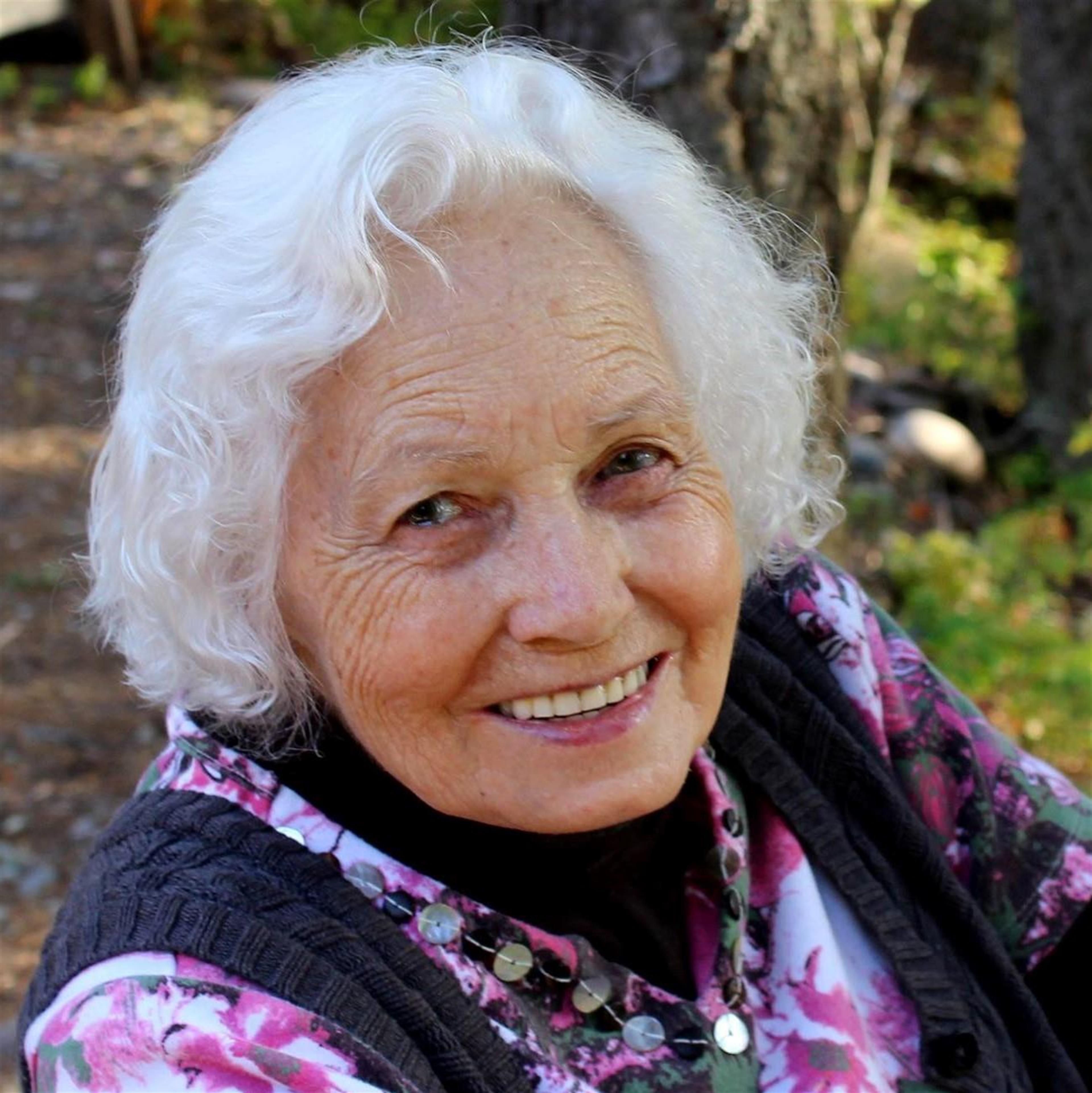
Few people in America started speaking Dutch at age two, were called “Airliner” as a child, and went to school in a sugar beet truck, yet my grandmother is one of those people. Her name is Arlene Nelson Williams.
My grandmother’s maiden name is Nelson and her married name is Williams. Her clans are Dutch, Norwegian, Irish, and Scottish. She grew up in Idaho. As an adult, she lived in California for twenty-five years, then Colorado for just over twenty years, and finally in Provo, Utah for the past 16 years. She now lives in Orem, Utah, just a few miles from her former home.
Her mother was Wilhelmina Van der Wel; her family called her Mini. She was born in Holland, (the Netherlands) and came to Utah with her family when she was six years old. Her family moved to Idaho when she was a teenager. Her father, Andrew Nelson, who was born in Utah, moved to Idaho with his mother and brothers to live with their grandfather after their father contracted the flu and died.
Arlene’s maternal grandparents’ names were Neeltje Barendregt and Jan Van der Wel, both of whom were born in the Netherlands. Her paternal grandfather was David Nelson; his family came from Ireland. Her paternal grandmother was Almira Mae Anderson, though they called her Mae. Her father was Norwegian and her mother was from Scotland and came to the west with her family pulling a handcart across the Great Plains in one of the great migrations in human history.
Arlene Nelson was born on February 25, 1925 in Burton, Idaho in a log cabin that would become her home. Her grandmother Nelson attended the birth. She was a midwife and attended to most of the births in the area in those days.
On October 15, 1927 her mother got very sick, prompting Arlene’s grandmother to take Arlene to live with her. She was only two years old. They only spoke Dutch at the house, so Arlene learned to speak Dutch, as stated above. Months later she returned to her mother, who wanted Arlene to speak English, not Dutch. Since Arlene either preferred Dutch or had trouble with English, she decided not to speak again. One day, however, her mother took her out for a walk. It was early spring and the day was warm and the grass was just starting to peek through the snow. The trees were just beginning to leaf out. She said “Kijk is er een booma,” which translates as “Look, there is a tree.” She has been talking ever since that day.
Arlene’s first home was a three room log house. The eastern room was where her grandmother Nelson lived. She had her own stove, table, and bed in that room. The western room was the kitchen her family used. It was complete with a stove, a table, and a cupboard. The room in the middle was where her parents and the children slept. There was a very narrow staircase in my grandmother’s room up to a loft, which had two rooms. The walls were slanted because they were actually the roof. One room was where things were stored and the other room was where her father’s cousin lived. The log cabin was very cold in the winter; Arlene and her siblings bundled together on one bed to stay warm at night. In the summer, however, the house was warm. They used a stove behind the cabin to cook outside, so the cabin would not get too hot. People put wires in the cabin so Arlene and her family had electric light bulbs that hung from wires. These electric wires were not strong enough for any machines, appliances or even a radio. Arlene and her family used a battery operated radio that her dad built
himself. There was not any indoor plumbing; children had to carry the water into the house in buckets. They heated water on the stove for baths, and of course, there was an outhouse.
Arlene’s favorite food was doughnuts! Her Dutch auntie made really good doughnuts. She had a doughnut cutter that cut out three doughnuts at a time. Then she cooked them in hot oil and turned them over with a fork.
Arlene’s grandmother Nelson used a buggy pulled by her horse. Her father hitched